
By Alice Adams
Dr. Zion Klos, one of two professors from Poughkeepsie visiting the Florence campus, has worked in Marist College’s Department of Environmental Science and Policy for seven years and is a member of the tenured faculty. He has experience in geology, hydrology, climate science, and climate change impacts, including a year-long sailboat journey spent working with communities along the Atlantic Coast. This is his first year teaching in the FFE program. This semester, he is teaching the First-Year Seminar course, focusing on system science and sustainability
Dr. Klos is an advocate for a hands-on, outdoorsy approach to education. I spoke with him about ecology, his impressions of Florence, and what it means to teach in higher education.
What inspired you to take part in a liberal arts education?
I went to a liberal arts college, Colorado College, and I enjoyed my time there; the geology major was great with an awesome outdoor program. As I started finishing my degree, I realized that my friends who were the standard liberal arts majors, at the end of the day, we were walking away having developed very similar skill sets.
The way that our classes were taught, though in very different content areas, was very similar. It focused on developing skills, a lot of activities, and a lot of hands-on learning. This liberal arts model of education that aims to provide people with generalizable knowledge is a really, really valuable way to teach people.
Tell me a bit about the environmental science project you conducted.
In the last years of my PhD, my partner at the time was a professional artist, and she and I worked on getting a bunch of grants to fix up an old sailboat. We sailed from Wisconsin down to the tropics along the East Coast of the US doing this project called ‘Climate Odyssey.’ It was an art and science project that focused on getting people to make art in introductory ways.
We would have conversations about how different aspects of the environment are potentially changing or could be protected. It was about how communities could adapt so they can still protect the things that they hold dear and still exist in those places, but in a way that takes into account the reality of how the future will likely change in the decades ahead.
What were your biggest takeaways from that experience?
My biggest takeaway was how to connect with people. People do value knowledge. They value someone they can trust. We found that one of the strongest ways we connected with people, especially people who were resistant to the word climate change, was by giving them space to talk with us and share with us what they know about the ecosystems that they are dependent on. We value their localized knowledge and listen to them. Creating events where you’re listening to people as much as you’re talking is a very important way to see change in people’s perspectives.
What is your First-Year seminar course based on?
The First-Year Seminar course is, content-wise, based on systems and sustainability, so thinking about system science and how systems behave and interact. Some things are more appropriate to summarize in a system than others, but it can be a good framework to think about how different stressors hit the reality of our lives and the big systems we operate within. That comes to the sustainability aspect – how do we help make some of these systems more sustainable?
It’s really generalizable and hopefully interesting to all students, no matter what their background is and what their goals are for their degrees ahead. But really what First-Year Seminar is more about is developing introductory college skills… good communication skills, oral presentations, writing, developing critical thinking skills, developing problem-solving skills, and being prepared for all those college courses ahead.
This is your first time in Italy. Have there been any surprises? What have you noticed?
One of the biggest challenges being in Florence is that we’re in a highly urbanized area here and I’m used to having a lot more green space. My mental health enjoys having green space to escape into, and I’ve got to work a bit harder to find it here. But on the flip side, there are a lot of cultural aspects and aspects of living in such a vibrant cultural location that are really fun and have been an enjoyment of being here.
Do you have any advice for students adjusting to the program?
The biggest thing is that it’s going to take time to figure out what systems at home helped you maintain a good place with your mental health and how you’re feeling about life, day to day. How you’re getting schoolwork done, how you’re getting food, all these things; you’re having to figure out all the systems for the first time in a new way out here. That can be really tricky, and it can really be stressful. Oftentimes things can feel like they’re cascading out of control. My advice is, if it feels like that, know that there are people here in the staff and faculty to help support you in those moments. Even if it’s a small thing, it could potentially start cascading. When you notice that things could be better, be proactive about trying to do something about it so you can keep yourself in a good place.
What’s your ideal day in Florence?
I love walking, exercise, and running. There’s so much to see. So getting out while it’s still early, cool, getting a nice, big walk in for a few hours, seeing some new things, and then meeting up with my partner or friends if anyone’s visiting to say hi, and getting a nice meal in the middle of the day. Then doing some work in the afternoon, taking a siesta, and having a casual evening out at night that involves some healthy vegetables. And that’s probably the best day in Florence.
This interview has been edited for length and/or clarity.
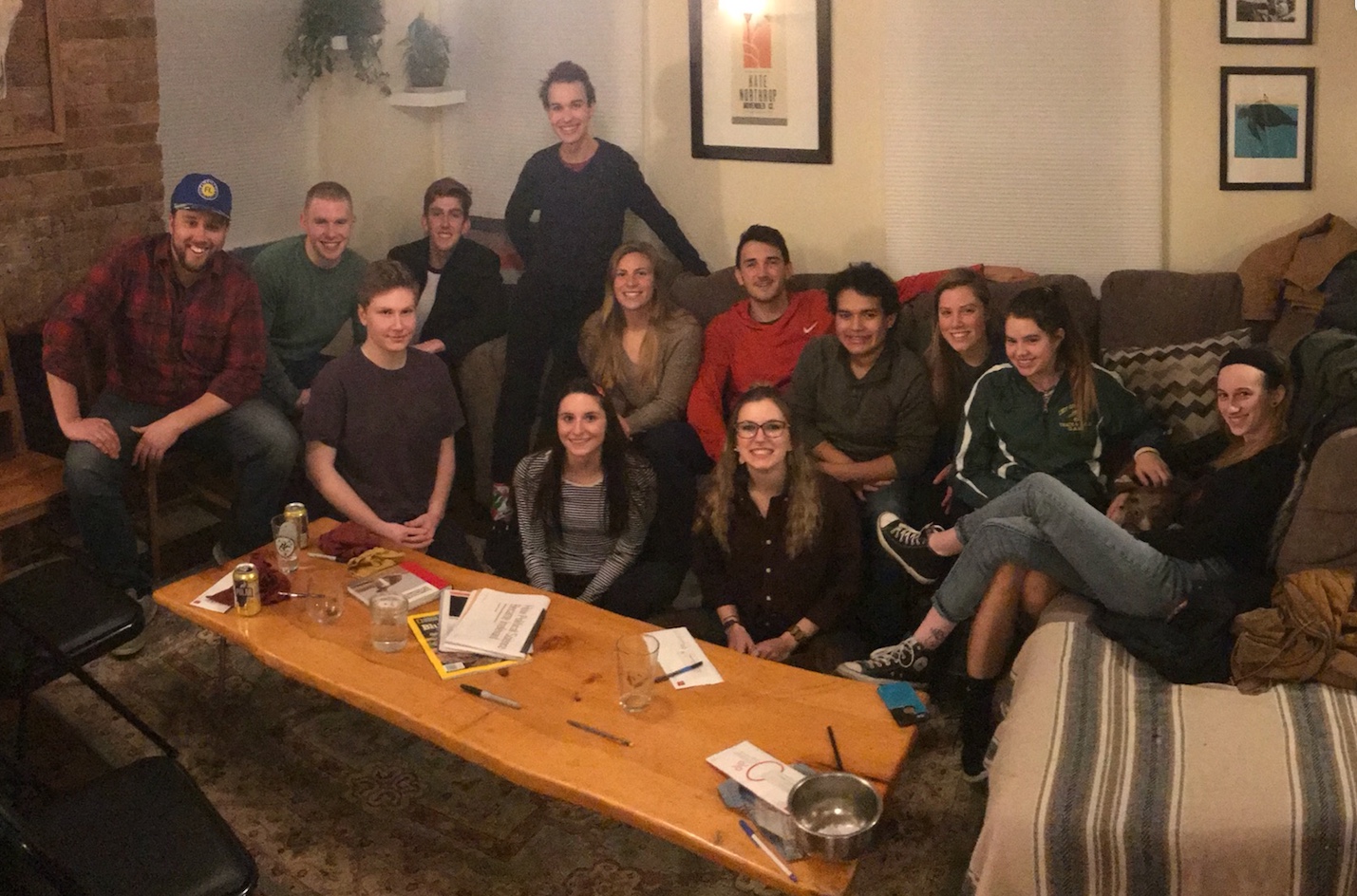


Photos courtesy of Zion Klos.
Discover more from The Official Student Blog of Marist Italy
Subscribe to get the latest posts sent to your email.
Leave a Reply